Focused Learning Series
Explore One Category of Constituents at a Time
Develop a clinically relevant understanding of structures, mechanisms, solubility, efficacy, and safety of herbal constituents in the context of Western botanical medicines.
Functional phytochemistry for clinical and medical herbalists, healthcare providers, pharmacists, skilled medicine makers and formulators.
PhytoSapiens Deep Dives
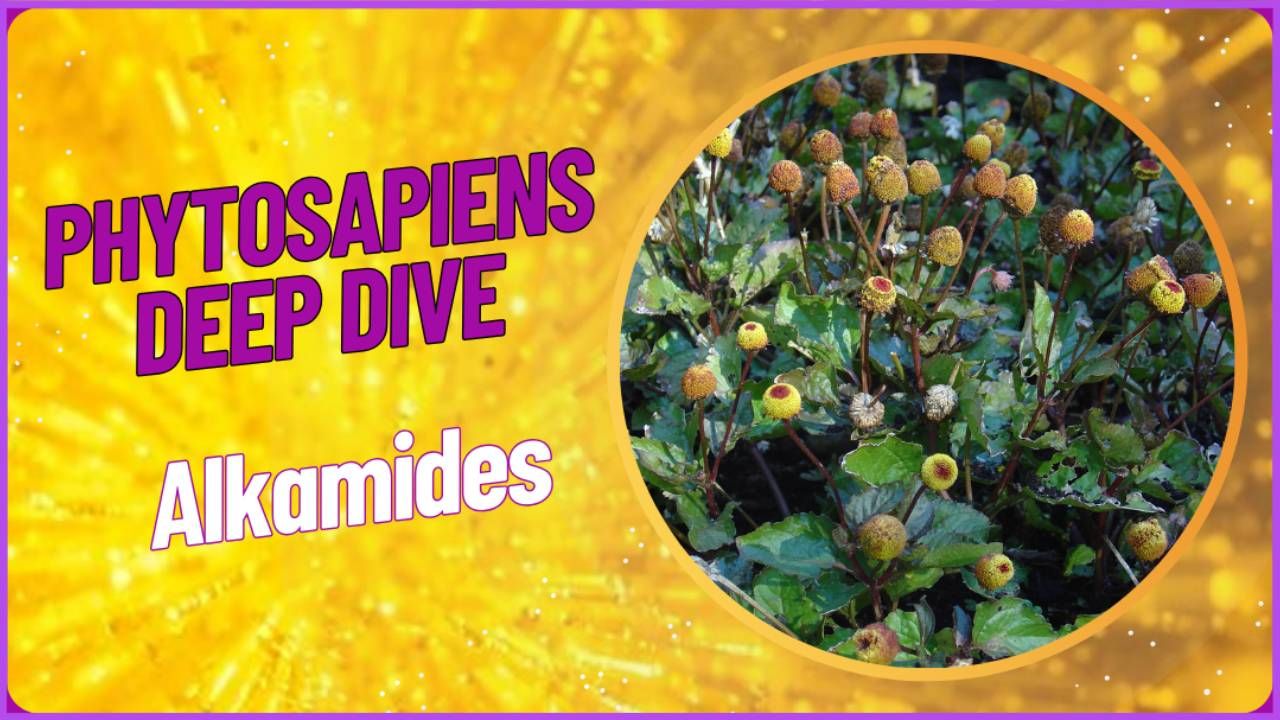
Alkamides
Investigate structures, solubility, pharmacology, safety & botanical sources of alkamides including the tingly isobutylamides & sanshools. Learn to extract, formulate with & choose alkamide-rich herbs (Spilanthes, Echinacea, Black Pepper, Prickly Ash) for acute immune support, inflammatory balance, mucosal health & diffusive vital stimulation.
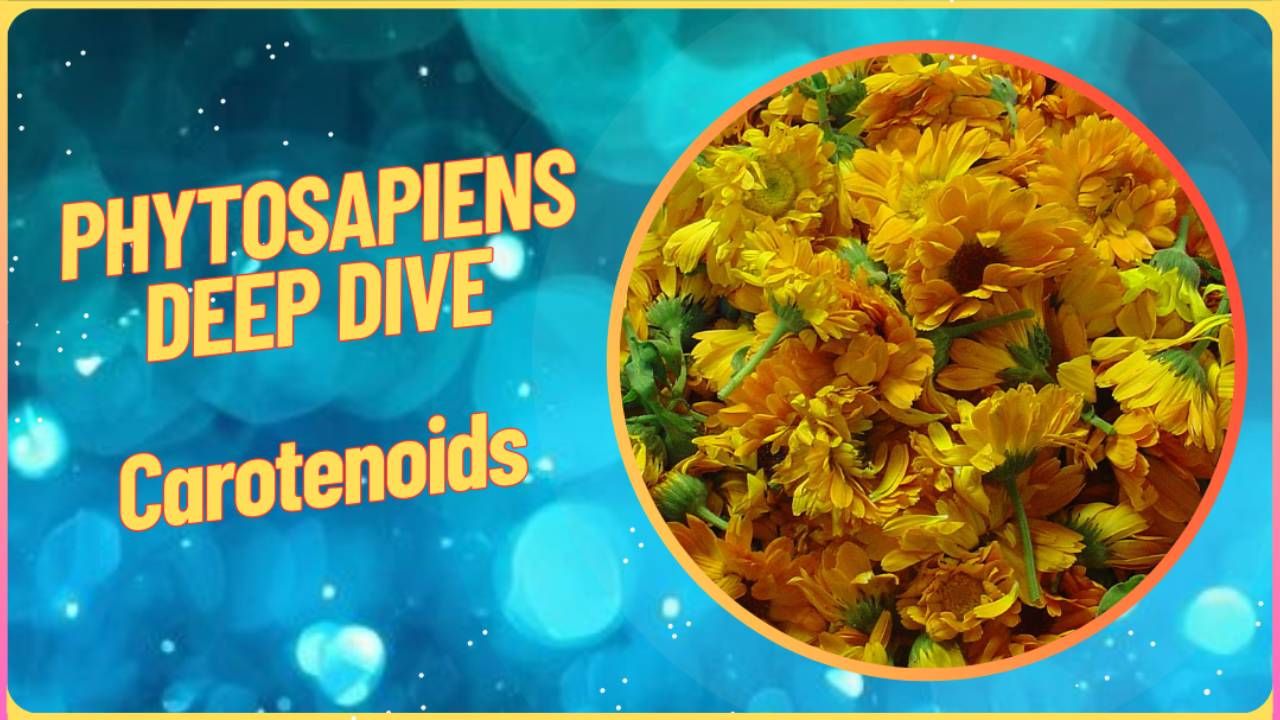
Carotenoids
Discover structures, solubility, pharmacology, safety & sources of the antioxidant carotenes & xanthophylls like lutein & zeaxanthin. Learn to extract, formulate with & apply carotenoid-rich botanicals & medicinal foods (Calendula, Dandelion, Goji berry, Sea Buckthorn berry) for epithelial repair, visual health, metabolic resilience & oxidative stress reduction.
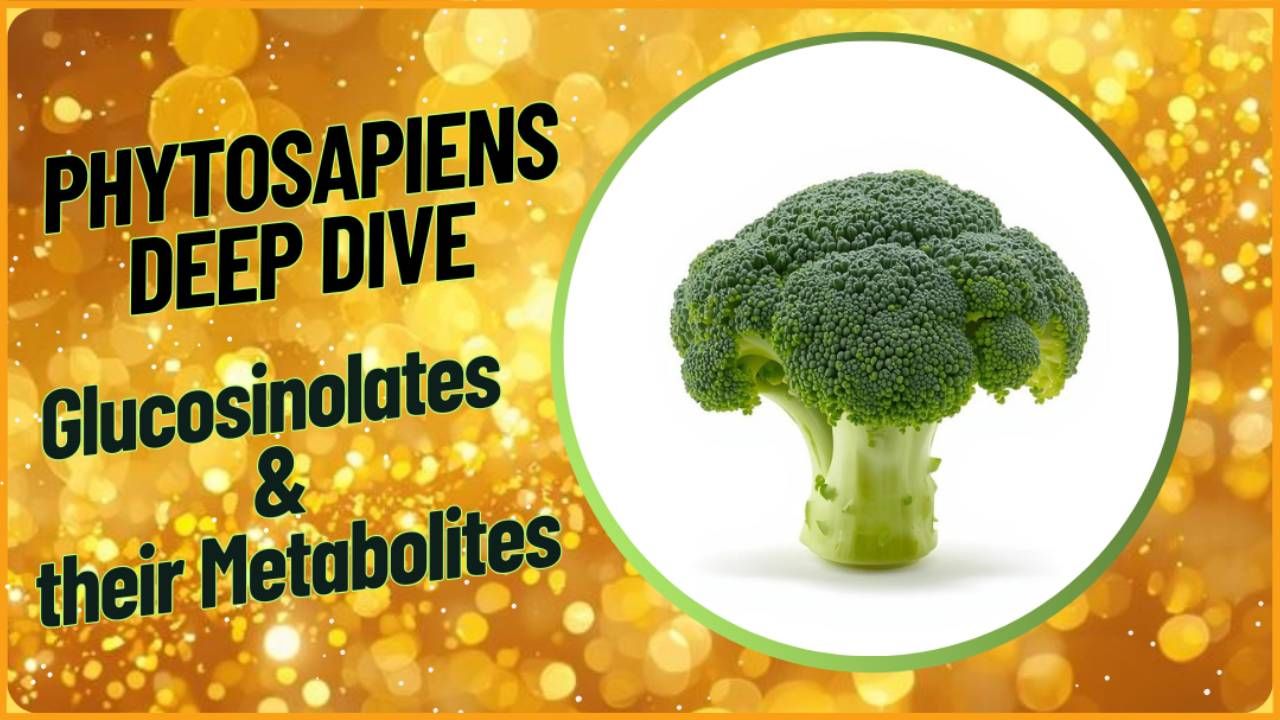
Glucosinates
Explore structures, solubility, pharmacology, safety & botanical sources of IP including beta-glucans, arabinogalactans, mucilages, pectins & inulins. Learn to extract, formulate with & include IP-rich herbs (Echinacea, Astragalus, Marshmallow, Reishi, Shiitake) in therapeutics for immunostimulation, inflammatory modulation & restoring depleted immunity.
In this course we’ll use videos and monographs to journey into the world of Alkamides—discovering their chemistry and clinical actions, exploring the Western herbs and spices that feature these distinctive compounds, and translating that knowledge into hands-on herb lab work to create potent botanical formulations.
Alkamides are a relatively small group of bioactive fatty acid amides found in a limited number of botanical genera. Built around a lipophilic hydrocarbon chain ("alk-") linked to an amine-derived head group via an amide bond ("-amide"), they integrate into lipid membranes and stimulate sensory receptors. Many alkamides exhibit analgesic, anti-inflammatory, immunomodulatory, and sialagogue actions. Their immediately perceptible effects make alkamide-rich herbs especially useful in acute care and strategic formulation.
Overview:
Alkamides contribute rapid analgesic, anti-inflammatory, immune-modulating, and mucosal-stimulating actions. By influencing neuroimmune signaling, cytokine tone, and sensory ion channels, they can shift pain perception while shaping inflammatory responsiveness. Clinically, they’re relevant for acute immune support, oral and throat irritation, toothache, digestive stagnation, and formulas that benefit from “tissue engagement” and fast feedback.
Structures & Subcategories:
Here we emphasize a core theme: fatty acid–derived chains joined to an amine group through an amide linkage. Within that framework, alkamides vary by chain length, head-group branching, and degree of unsaturation—forming alkylamides (saturated chains), alkenylamides (double bonds in chain), and alkynylamides (triple bonds in chain). A particularly important subgroup is the isobutylamides, prominent in several medicinal herbs (notably Echinacea); they feature an isobutyl head group amide-bonded to the fatty acid–derived chain. These structural differences influence membrane affinity, receptor selectivity, and sensory signature, helping explain why individual alkamides show distinct action profiles.
Polarity, Solubility & Extraction:
Alkamides are primarily lipophilic due to their hydrocarbon chains, yet the amide group adds modest polarity—making many alkamides somewhat amphipathic. For tinctures, they extract well into higher-percent EtOH menstrua (commonly ~50–70%), and are also soluble in fixed oils and supercritical CO₂. Aqueous infusions capture relatively little, decoctions a bit more. Because unsaturated alkamides can be oxidation-sensitive, careful storage away from heat, light, and exposure to oxygen helps preserve potency.
Pharmacological Actions:
Alkamides are known for rapid oral and trigeminal effects—tingling, mild numbing, salivation, and “awakening” of mucosal tissues—linked to TRP channel activity and membrane interactions. Some also exert cannabimimetic or endocannabinoid-like effects (notably via CB2), supporting immune regulation and anti-inflammatory signaling. At the signaling level, alkamides can modulate cytokine tone and inflammatory enzyme pathways while also influencing nerve-driven inflammation through modulation of TRP channel signaling. Their amphipathic nature likely supports membrane-level effects that shape receptor engagement, absorption, and fast onset of action.
Energetics:
Energetically, alkamide-rich herbs are bright, quick, and activating, with a strong affinity for the mouth, throat, and superficial tissues where sensation and circulation matter. They tend to activate local function—stimulating salivation, moving stagnation, and sharpening tissue response at sites of irritation. Rather than building slowly, their effects are immediate: they enliven, disperse, and help shift pain and inflammation in the moment, internally or topically. In Physio-Medical energetics, herbs rich in alkamides are considered to be highly diffusive vital stimulants.
Clinical Applications:
Alkamides feature prominently in formulas for acute immune support, oral and throat inflammation, contact analgesia, toothache, mucosal stimulation, and neuroinflammatory pain patterns—especially when a fast, noticeable shift is clinically useful. They are often chosen to support mucosal tone and circulation, buffer inflammatory cascades, and provide antimicrobial or barrier-supportive effects in vulnerable tissues. In this Deep Dive we highlight Acmella oleracea (Spilanthes), Echinacea spp., Black Pepper (Piper nigrum), and Prickly Ash or Sichuan Pepper (Zanthoxylum spp.)—botanicals rich in spilanthol, isobutylamides, and related pungent amides including sanshools. Together these herbs illustrate how alkamides can be woven into practical strategies for rapid relief, improved mucosal tone, immune signaling support, and formulation bioenhancement.
In this course we’ll use videos and monographs to journey into the world of Carotenoids—discovering their chemistry and clinical actions, exploring the Western herbs and medicinal foods that feature these vital compounds, and translating that knowledge into hands-on herb lab work to create potent botanical formulations.
Carotenoids are a diverse family of lipid-soluble tetraterpenoid pigments that give many flowers, fruits, and vegetables their vivid yellow, orange, and red colors. Major subgroups include the hydrocarbon carotenes (e.g., β-carotene, lycopene) and the oxygenated xanthophylls (e.g., lutein, zeaxanthin, β-cryptoxanthin). Carotenoids act as membrane-associated antioxidants, epithelial protectants, and signaling molecules—supporting mucosal, ocular, immune, and metabolic health. Their broad bioprotective roles make carotenoids essential constituents in modern clinical herbalism and integrative nutrition.
Overview:
Carotenoids contribute antioxidant, anti-inflammatory, tissue-protective, and metabolic-modulating actions. By quenching free radicals, modulating detoxification and inflammatory pathways, and supporting epithelial and mitochondrial function, they help buffer oxidative stress and chronic inflammation. Clinically, they are relevant in therapeutics for retinal health, cardiometabolic resilience, skin and mucosal integrity, and recovery from environmental and oxidative stress.
Structures & Subcategories:
Here we emphasize two main groups: carotenes (nonpolar hydrocarbons such as β-carotene and lycopene) and xanthophylls (oxygenated carotenoids like lutein, zeaxanthin, and β-cryptoxanthin). The length and pattern of conjugated double bonds, the presence of cyclic end groups, and oxygen-containing functional groups all influence color, polarity, membrane orientation, and tissue distribution. These structural differences explain why some carotenoids act as provitamin A, why others concentrate in the macula lutea or neural tissues, and why individual pigments show distinct action profiles.
Polarity, Solubility & Extraction:
Carotenoids are strongly lipophilic constituents. Carotenes are essentially nonpolar and extract best into fats and oils, while xanthophylls are slightly more polar and can be captured with oils or high-percentage ethanol. Standard water infusions or decoctions usually have little carotenoid content, although co-constituents such as saponins (e.g., in Calendula) can modestly increase solubility. In practice, carotenoid delivery is optimized through fat-containing foods, infused oils, and carefully prepared lipid or hydroethanolic extracts, with attention to protecting these oxidation-sensitive pigments from heat, UV light, and exposure to air.
Pharmacological Actions:
Carotenes such as β-carotene and lycopene function as lipid-phase antioxidants, quenching reactive oxygen species (ROS) and lipid peroxyl radicals and supporting cardiovascular, hepatic, and cutaneous redox balance. β-Carotene, α-carotene, and β-cryptoxanthin provide provitamin A activity, contributing to epithelial integrity, mucosal immunity, and visual function. Xanthophylls like lutein and zeaxanthin preferentially concentrate in the retina and neural tissues, filtering blue light, stabilizing mitochondrial membranes, and modulating inflammatory and antioxidant signaling. Carotenoids also influence cytokine patterns, support endogenous antioxidant enzymes, and help regulate lipid and glucose metabolism, with emerging relevance in chemopreventive and neuroprotective strategies.
Energetics:
Energetically, carotenoid-rich herbs and foods are protective and restorative, with a clear affinity for surfaces and tissues exposed to light, air, and friction—skin, eyes, respiratory and GI mucosa, and the vascular endothelium. They nourish and stabilize rather than stimulate, gradually rebuilding depleted or irritated tissues and buffering the system against oxidative aging. Their moistening, barrier-supportive qualities align with traditional uses for dry, inflamed, or fragile epithelial states and with long-term strategies for enhancing resilience.
Clinical Applications:
Carotenoids feature prominently in formulas for skin and mucosal repair, ocular protection, immune and metabolic regulation, and oxidative stress resilience. In this Deep Dive we highlight Calendula (Calendula officinalis) flower, Dandelion (Taraxacum officinale) leaf and flower, Goji (Lycium spp.) berry, and Sea Buckthorn (Hippophae rhamnoides) berry—botanicals rich in lutein, zeaxanthin, β-carotene, lycopene, and related pigments. Together they illustrate how carotenoids can be woven into practical strategies for photoprotection, chronic inflammation, hepatic and metabolic support, and antioxidant buffering within a framework of botanical medicine and functional nutrition.
In this course we’ll use videos and monographs to journey into the fascinating realm of Glucosinolates and their pungent metabolites—discovering their chemistry and clinical actions, exploring the Western herbs that feature these vital compounds, and translating that knowledge into hands-on herb lab work to create potent botanical formulations.
Glucosinolates are sulfur-containing amino acid derivatives found primarily in the Brassicaceae family—plants such as Watercress, Mustard, Radish, Horseradish, and Arugula, as well as cruciferous vegetables like Kale, Cabbage, Brussels Sprouts, and Broccoli. When plant cells are crushed, chewed, or fermented, the endogenous enzyme myrosinase catalyzes the conversion of glucosinolates into a suite of bioactive metabolites, most notably the isothiocyanates such as sulforaphane (from glucoraphanin) and allyl isothiocyanate (AITC, from sinigrin). Other metabolites (from glucobrassicin) include the indole derivatives indole-3-carbinol (I3C) and 3,3′-diindolylmethane (DIM).
Glucosinolates and their metabolites have been extensively studied for their detoxifying, antimicrobial, anti-inflammatory, hormone balancing, and anticarcinogenic properties. These potent constituents play an important role in both traditional herbal practice and contemporary botanical therapeutics. In this course, we explore their phytochemistry, solubility and extraction, pharmacology, energetics, clinical applications, and occurrence in medicinal plants and foods.
Overview:
Glucosinolates are sulfur-rich constituents that transform into diverse bioactive metabolites which support detoxification (biotransformation), immune and inflammatory balance, and hormone metabolism. Preclinical and population studies also suggest a role in cancer prevention and integrative oncology. Glucosinolate metabolites act primarily by modulating cellular signaling pathways that regulate detoxification, immune function, and inflammatory responses—most notably through interactions with transcription factors like Nrf2 and NF-κB.
Structures & Subcategories:
Glucosinolates are categorized according to their amino acid precursors as aliphatic, aromatic, or indole types. Aliphatic glucosinolates include glucoraphanin and sinigrin, which yield sulforaphane and allyl isothiocyanate (AITC) respectively. Aromatic glucosinolates include gluconasturtiin and glucotropaeolin, which form phenethyl isothiocyanate (PEITC) and benzyl isothiocyanate (BITC). Indole glucosinolates include glucobrassicin, which gives rise to indole-3-carbinol (I3C) and its dimer 3,3′-diindolylmethane (DIM).
Polarity, Solubility & Extraction:
Glucosinolates are highly polar compounds best extracted with water or mildly acidic solvents such as vinegar. They are poorly soluble in ethanol and lipids. The myrosinase enzyme responsible for metabolite formation is heat- and alcohol-sensitive, so allowing crushed or fresh plant material to react before extraction maximizes conversion to active metabolites. Once formed, these metabolites are less polar and more lipophilic than their glucosinolate precursors, allowing them to extract more readily into hydroethanolic or lipid solvents.
Pharmacological Actions:
Isothiocyanate and indole metabolites stimulate detoxification enzymes, modulate inflammation, and influence hormone and immune regulation. They enhance phase II conjugation pathways (e.g., glutathione-S-transferase), inhibit tumorigenic signaling, and support microbiome and mucosal immune balance. Clinically, sulforaphane exhibits antioxidant, anticarcinogenic, and neuroprotective effects, while allyl isothiocyanate provides antimicrobial, circulatory, and mucolytic actions.
Energetics:
Pungent, stimulating, warming to heating, and diffusive; glucosinolate-rich plants mobilize stagnation, disperse cold, and activate metabolic and eliminatory processes. Energetically, they are penetrating and transformative, promoting detoxification and circulation.
Clinical Applications:
Useful in detoxification, hormonal metabolism, metabolic regulation, chronic inflammation, and immune support. Consider as adjunct treatments for hormone-related cancers and autoimmune conditions. Also useful for respiratory and urinary tract infections, and as stimulating tonics in sluggish, congestive patterns. Culinary Brassica vegetables and Mustard family herbs serve as functional foods and therapeutic agents for the maintenance and restoration of health and vitality.
PhytoSapiens Deep Dives
In-depth courses on specific constituents, from our PhytoSapiens membership.
Alkamides
Investigate structures, solubility, pharmacology, safety & botanical sources of alkamides including the tingly isobutylamides & sanshools. Learn to extract, formulate with & choose alkamide-rich herbs (Spilanthes, Echinacea, Black Pepper, Prickly Ash) for acute immune support, inflammatory balance, mucosal health & diffusive vital stimulation.
In this course we’ll use videos and monographs to journey into the world of Alkamides—discovering their chemistry and clinical actions, exploring the Western herbs and spices that feature these distinctive compounds, and translating that knowledge into hands-on herb lab work to create potent botanical formulations.
Alkamides are a relatively small group of bioactive fatty acid amides found in a limited number of botanical genera. Built around a lipophilic hydrocarbon chain ("alk-") linked to an amine-derived head group via an amide bond ("-amide"), they integrate into lipid membranes and stimulate sensory receptors. Many alkamides exhibit analgesic, anti-inflammatory, immunomodulatory, and sialagogue actions. Their immediately perceptible effects make alkamide-rich herbs especially useful in acute care and strategic formulation.
Overview:
Alkamides contribute rapid analgesic, anti-inflammatory, immune-modulating, and mucosal-stimulating actions. By influencing neuroimmune signaling, cytokine tone, and sensory ion channels, they can shift pain perception while shaping inflammatory responsiveness. Clinically, they’re relevant for acute immune support, oral and throat irritation, toothache, digestive stagnation, and formulas that benefit from “tissue engagement” and fast feedback.
Structures & Subcategories:
Here we emphasize a core theme: fatty acid–derived chains joined to an amine group through an amide linkage. Within that framework, alkamides vary by chain length, head-group branching, and degree of unsaturation—forming alkylamides (saturated chains), alkenylamides (double bonds in chain), and alkynylamides (triple bonds in chain). A particularly important subgroup is the isobutylamides, prominent in several medicinal herbs (notably Echinacea); they feature an isobutyl head group amide-bonded to the fatty acid–derived chain. These structural differences influence membrane affinity, receptor selectivity, and sensory signature, helping explain why individual alkamides show distinct action profiles.
Polarity, Solubility & Extraction:
Alkamides are primarily lipophilic due to their hydrocarbon chains, yet the amide group adds modest polarity—making many alkamides somewhat amphipathic. For tinctures, they extract well into higher-percent EtOH menstrua (commonly ~50–70%), and are also soluble in fixed oils and supercritical CO₂. Aqueous infusions capture relatively little, decoctions a bit more. Because unsaturated alkamides can be oxidation-sensitive, careful storage away from heat, light, and exposure to oxygen helps preserve potency.
Pharmacological Actions:
Alkamides are known for rapid oral and trigeminal effects—tingling, mild numbing, salivation, and “awakening” of mucosal tissues—linked to TRP channel activity and membrane interactions. Some also exert cannabimimetic or endocannabinoid-like effects (notably via CB2), supporting immune regulation and anti-inflammatory signaling. At the signaling level, alkamides can modulate cytokine tone and inflammatory enzyme pathways while also influencing nerve-driven inflammation through modulation of TRP channel signaling. Their amphipathic nature likely supports membrane-level effects that shape receptor engagement, absorption, and fast onset of action.
Energetics:
Energetically, alkamide-rich herbs are bright, quick, and activating, with a strong affinity for the mouth, throat, and superficial tissues where sensation and circulation matter. They tend to activate local function—stimulating salivation, moving stagnation, and sharpening tissue response at sites of irritation. Rather than building slowly, their effects are immediate: they enliven, disperse, and help shift pain and inflammation in the moment, internally or topically. In Physio-Medical energetics, herbs rich in alkamides are considered to be highly diffusive vital stimulants.
Clinical Applications:
Alkamides feature prominently in formulas for acute immune support, oral and throat inflammation, contact analgesia, toothache, mucosal stimulation, and neuroinflammatory pain patterns—especially when a fast, noticeable shift is clinically useful. They are often chosen to support mucosal tone and circulation, buffer inflammatory cascades, and provide antimicrobial or barrier-supportive effects in vulnerable tissues. In this Deep Dive we highlight Acmella oleracea (Spilanthes), Echinacea spp., Black Pepper (Piper nigrum), and Prickly Ash or Sichuan Pepper (Zanthoxylum spp.)—botanicals rich in spilanthol, isobutylamides, and related pungent amides including sanshools. Together these herbs illustrate how alkamides can be woven into practical strategies for rapid relief, improved mucosal tone, immune signaling support, and formulation bioenhancement.
Carotenoids
Discover structures, solubility, pharmacology, safety & sources of the antioxidant carotenes & xanthophylls like lutein & zeaxanthin. Learn to extract, formulate with & apply carotenoid-rich botanicals & medicinal foods (Calendula, Dandelion, Goji berry, Sea Buckthorn berry) for epithelial repair, visual health, metabolic resilience & oxidative stress reduction.
In this course we’ll use videos and monographs to journey into the world of Carotenoids—discovering their chemistry and clinical actions, exploring the Western herbs and medicinal foods that feature these vital compounds, and translating that knowledge into hands-on herb lab work to create potent botanical formulations.
Carotenoids are a diverse family of lipid-soluble tetraterpenoid pigments that give many flowers, fruits, and vegetables their vivid yellow, orange, and red colors. Major subgroups include the hydrocarbon carotenes (e.g., β-carotene, lycopene) and the oxygenated xanthophylls (e.g., lutein, zeaxanthin, β-cryptoxanthin). Carotenoids act as membrane-associated antioxidants, epithelial protectants, and signaling molecules—supporting mucosal, ocular, immune, and metabolic health. Their broad bioprotective roles make carotenoids essential constituents in modern clinical herbalism and integrative nutrition.
Overview:
Carotenoids contribute antioxidant, anti-inflammatory, tissue-protective, and metabolic-modulating actions. By quenching free radicals, modulating detoxification and inflammatory pathways, and supporting epithelial and mitochondrial function, they help buffer oxidative stress and chronic inflammation. Clinically, they are relevant in therapeutics for retinal health, cardiometabolic resilience, skin and mucosal integrity, and recovery from environmental and oxidative stress.
Structures & Subcategories:
Here we emphasize two main groups: carotenes (nonpolar hydrocarbons such as β-carotene and lycopene) and xanthophylls (oxygenated carotenoids like lutein, zeaxanthin, and β-cryptoxanthin). The length and pattern of conjugated double bonds, the presence of cyclic end groups, and oxygen-containing functional groups all influence color, polarity, membrane orientation, and tissue distribution. These structural differences explain why some carotenoids act as provitamin A, why others concentrate in the macula lutea or neural tissues, and why individual pigments show distinct action profiles.
Polarity, Solubility & Extraction:
Carotenoids are strongly lipophilic constituents. Carotenes are essentially nonpolar and extract best into fats and oils, while xanthophylls are slightly more polar and can be captured with oils or high-percentage ethanol. Standard water infusions or decoctions usually have little carotenoid content, although co-constituents such as saponins (e.g., in Calendula) can modestly increase solubility. In practice, carotenoid delivery is optimized through fat-containing foods, infused oils, and carefully prepared lipid or hydroethanolic extracts, with attention to protecting these oxidation-sensitive pigments from heat, UV light, and exposure to air.
Pharmacological Actions:
Carotenes such as β-carotene and lycopene function as lipid-phase antioxidants, quenching reactive oxygen species (ROS) and lipid peroxyl radicals and supporting cardiovascular, hepatic, and cutaneous redox balance. β-Carotene, α-carotene, and β-cryptoxanthin provide provitamin A activity, contributing to epithelial integrity, mucosal immunity, and visual function. Xanthophylls like lutein and zeaxanthin preferentially concentrate in the retina and neural tissues, filtering blue light, stabilizing mitochondrial membranes, and modulating inflammatory and antioxidant signaling. Carotenoids also influence cytokine patterns, support endogenous antioxidant enzymes, and help regulate lipid and glucose metabolism, with emerging relevance in chemopreventive and neuroprotective strategies.
Energetics:
Energetically, carotenoid-rich herbs and foods are protective and restorative, with a clear affinity for surfaces and tissues exposed to light, air, and friction—skin, eyes, respiratory and GI mucosa, and the vascular endothelium. They nourish and stabilize rather than stimulate, gradually rebuilding depleted or irritated tissues and buffering the system against oxidative aging. Their moistening, barrier-supportive qualities align with traditional uses for dry, inflamed, or fragile epithelial states and with long-term strategies for enhancing resilience.
Clinical Applications:
Carotenoids feature prominently in formulas for skin and mucosal repair, ocular protection, immune and metabolic regulation, and oxidative stress resilience. In this Deep Dive we highlight Calendula (Calendula officinalis) flower, Dandelion (Taraxacum officinale) leaf and flower, Goji (Lycium spp.) berry, and Sea Buckthorn (Hippophae rhamnoides) berry—botanicals rich in lutein, zeaxanthin, β-carotene, lycopene, and related pigments. Together they illustrate how carotenoids can be woven into practical strategies for photoprotection, chronic inflammation, hepatic and metabolic support, and antioxidant buffering within a framework of botanical medicine and functional nutrition.
Glucosinates
Explore structures, solubility, pharmacology, safety & botanical sources of IP including beta-glucans, arabinogalactans, mucilages, pectins & inulins. Learn to extract, formulate with & include IP-rich herbs (Echinacea, Astragalus, Marshmallow, Reishi, Shiitake) in therapeutics for immunostimulation, inflammatory modulation & restoring depleted immunity.
In this course we’ll use videos and monographs to journey into the fascinating realm of Glucosinolates and their pungent metabolites—discovering their chemistry and clinical actions, exploring the Western herbs that feature these vital compounds, and translating that knowledge into hands-on herb lab work to create potent botanical formulations.
Glucosinolates are sulfur-containing amino acid derivatives found primarily in the Brassicaceae family—plants such as Watercress, Mustard, Radish, Horseradish, and Arugula, as well as cruciferous vegetables like Kale, Cabbage, Brussels Sprouts, and Broccoli. When plant cells are crushed, chewed, or fermented, the endogenous enzyme myrosinase catalyzes the conversion of glucosinolates into a suite of bioactive metabolites, most notably the isothiocyanates such as sulforaphane (from glucoraphanin) and allyl isothiocyanate (AITC, from sinigrin). Other metabolites (from glucobrassicin) include the indole derivatives indole-3-carbinol (I3C) and 3,3′-diindolylmethane (DIM).
Glucosinolates and their metabolites have been extensively studied for their detoxifying, antimicrobial, anti-inflammatory, hormone balancing, and anticarcinogenic properties. These potent constituents play an important role in both traditional herbal practice and contemporary botanical therapeutics. In this course, we explore their phytochemistry, solubility and extraction, pharmacology, energetics, clinical applications, and occurrence in medicinal plants and foods.
Overview:
Glucosinolates are sulfur-rich constituents that transform into diverse bioactive metabolites which support detoxification (biotransformation), immune and inflammatory balance, and hormone metabolism. Preclinical and population studies also suggest a role in cancer prevention and integrative oncology. Glucosinolate metabolites act primarily by modulating cellular signaling pathways that regulate detoxification, immune function, and inflammatory responses—most notably through interactions with transcription factors like Nrf2 and NF-κB.
Structures & Subcategories:
Glucosinolates are categorized according to their amino acid precursors as aliphatic, aromatic, or indole types. Aliphatic glucosinolates include glucoraphanin and sinigrin, which yield sulforaphane and allyl isothiocyanate (AITC) respectively. Aromatic glucosinolates include gluconasturtiin and glucotropaeolin, which form phenethyl isothiocyanate (PEITC) and benzyl isothiocyanate (BITC). Indole glucosinolates include glucobrassicin, which gives rise to indole-3-carbinol (I3C) and its dimer 3,3′-diindolylmethane (DIM).
Polarity, Solubility & Extraction:
Glucosinolates are highly polar compounds best extracted with water or mildly acidic solvents such as vinegar. They are poorly soluble in ethanol and lipids. The myrosinase enzyme responsible for metabolite formation is heat- and alcohol-sensitive, so allowing crushed or fresh plant material to react before extraction maximizes conversion to active metabolites. Once formed, these metabolites are less polar and more lipophilic than their glucosinolate precursors, allowing them to extract more readily into hydroethanolic or lipid solvents.
Pharmacological Actions:
Isothiocyanate and indole metabolites stimulate detoxification enzymes, modulate inflammation, and influence hormone and immune regulation. They enhance phase II conjugation pathways (e.g., glutathione-S-transferase), inhibit tumorigenic signaling, and support microbiome and mucosal immune balance. Clinically, sulforaphane exhibits antioxidant, anticarcinogenic, and neuroprotective effects, while allyl isothiocyanate provides antimicrobial, circulatory, and mucolytic actions.
Energetics:
Pungent, stimulating, warming to heating, and diffusive; glucosinolate-rich plants mobilize stagnation, disperse cold, and activate metabolic and eliminatory processes. Energetically, they are penetrating and transformative, promoting detoxification and circulation.
Clinical Applications:
Useful in detoxification, hormonal metabolism, metabolic regulation, chronic inflammation, and immune support. Consider as adjunct treatments for hormone-related cancers and autoimmune conditions. Also useful for respiratory and urinary tract infections, and as stimulating tonics in sluggish, congestive patterns. Culinary Brassica vegetables and Mustard family herbs serve as functional foods and therapeutic agents for the maintenance and restoration of health and vitality.
Immunomodulating Polysaccharides
Discover structures, solubility, pharmacology, safety & sources of the antioxidant carotenes & xanthophylls like lutein & zeaxanthin. Learn to extract, formulate with & apply carotenoid-rich botanicals & medicinal foods (Calendula, Dandelion, Goji berry, Sea Buckthorn berry) for epithelial repair, visual health, metabolic resilience & oxidative stress reduction.
Steroidal Constituents
Learn the chemistry, solubility, pharmacology, & safety of steroidal saponins, steroidal lactones & phytosterols. Practice extraction, formulation, & use of herbs featuring botanical steroids like Ashwagandha, Wild & Mexican Yams, Stinging Nettle root & Saw Palmetto for stress resilience, endocrine balance & metabolic health.
In this course we’ll use videos and monographs to journey into the fascinating realm of Immunomodulating Polysaccharides—discovering their chemistry and clinical actions, exploring the Western herbs that feature these vital compounds, and translating that knowledge into hands-on herb lab work to create potent botanical formulations.
Immunomodulating polysaccharides (IP) are complex carbohydrates from medicinal plants and fungi that can have profound immunostimulating and immunomodulatory effects for humans and our microbiome. Their diverse chemical structures and subtypes, including beta-glucans, heteropolysaccharides (e.g., arabinogalactans), and the related fructans (e.g., inulins), interact directly with immune system cells, making them important tools for supporting a nimble and well-balanced immune system in clinical herbalism and functional medicine. In this course we explore their phytochemistry, solubility & extraction, pharmacology, applications in clinical practice, and occurrence in Western herbs and medicinal mushrooms.
Overview: Immunomodulating polysaccharides (IP) are bioactive carbohydrate oligomers and polymers found in medicinal plants and fungi. They activate and modulate innate and adaptive immunity, regulating inflammation through immune cell recognition, signaling, and gut microbiota support. Acting as biological “keys,” IP can mimic microbial molecular patterns, stimulating the immune system when needed while also restoring balance and resolution in chronic or excessive inflammation.
Structures & Subcategories: Key categories include heteropolysaccharides (e.g., arabinogalactans), homopolysaccharides (e.g., beta-glucans), and the related oligosaccharides (e.g., inulins). Molecular weight, branching patterns, and monosaccharide composition are critical to their function. These structural differences determine receptor affinity, solubility, and immunological activity, explaining why beta-glucans from fungi and heteropolysaccharides from herbs engage the immune system via distinct yet related mechanisms.
Polarity, Solubility & Extraction: IP are highly polar, water-soluble compounds best extracted via hot water infusion or decoction. They are poorly soluble in alcohol and oils. Extraction efficiency depends on the matrix—soft tissues like Echinacea flowers release IP easily with infusions, while dense roots or fungi may require decoction to fully extract their polysaccharides.
Pharmacological Actions: Stimulate phagocytes and natural killer cells; B cells and T cells. Modulate cytokine responses; exhibit antipathogen, antitumor, and inflammation balancing effects. Their activity is mediated primarily through pattern recognition receptors (PRRs), which enhance immune vigilance while promoting the self-regulating, restorative phase of the immune response.
Energetics: Stimulating, balancing, restorative, supportive / nourishing, cooling, moistening, diffusive/permanent. The immunomodulating polysaccharides are major contributors to the actions of adaptogens, strengthening immune vitality and resilience over time, while also tonifying Qi and essence.
Clinical Applications: Acute infection, chronic infections & inflammation, allergies, autoimmune conditions, post-viral fatigue. IP can support the microbiome, respiratory system, urinary tract & GI immunity. They are valuable in preventive care and convalescence, helping to restore immune tone and resilience in states of depletion or after prolonged illness or stress.
In this course we’ll use videos and monographs to journey into the fascinating realm of Steroidal Constituents—discovering their chemistry and clinical actions, exploring the Western herbs that feature these vital compounds, and translating that knowledge into hands-on herb lab work to create potent botanical formulations.
Steroidal Constituents are a diverse yet structurally related group, built on the fused-ring steroid nucleus. Major subgroups include steroidal sapogenins and saponins, steroidal lactones, and phytosterols. Though sometimes confused with human steroid hormones, these botanical constituents do not function as hormones themselves; rather, they influence receptor signaling, enzyme activity, membrane dynamics, and multiple metabolic pathways. Their indirect yet powerful effects make them central tools in adaptogenic, endocrine-modulating, and metabolic-balancing therapeutics.
Overview: Steroidal constituents play significant roles in stress adaptation, immune regulation, inflammation control, lipid metabolism, and hormone-sensitive tissue support. Acting through multiple biochemical pathways, they help restore balance rather than override physiology—supporting resilience under chronic stress and metabolic strain. Collectively, these compounds contribute to systemic regulation across the neuroendocrine, cardiovascular, immune, and reproductive systems, explaining their prominence in long-term adaptogenic, restorative, and preventive strategies.
Structures & Subcategories: Here we focus on three primary categories relevant to Western herbal practice: steroidal saponins and sapogenins (e.g., diosgenin in Yam spp.), steroidal lactones (e.g., withanolides in Ashwagandha), and phytosterols (e.g., beta-sitosterol in Saw Palmetto). Structural features such as sugar attachments, lactone rings, and side-chain substitutions determine polarity, solubility, receptor affinity, and biological activity. These differences explain why compounds with a shared steroidal backbone can express distinct therapeutic actions and require different extraction and formulation approaches.
Polarity, Solubility & Extraction: Steroidal constituents are low-polarity (e.g., aglycones) or amphiphilic (e.g., saponins). Steroidal saponins contain polar sugar moieties that make them best extracted with mid-range hydroethanolic solvents (~40–70% EtOH). Steroidal lactones and phytosterols are more lipophilic, favoring higher-percentage alcohol or lipid solvents such as fixed oils or ghee. Water-based decoctions capture some glycosylated forms but generally underperform for lipophilic aglycones, making solvent selection important for therapeutic yield.
Pharmacological Actions: Steroidal constituents exert diverse actions including modulation of inflammatory signaling (via NF-κB, COX-2), immune regulation, neuroendocrine support, and lipid and glucose metabolism. Steroidal lactones modulate stress and inflammatory signaling (HPA axis, NF-κB, Nrf2); steroidal saponins engage membrane and immune receptors while influencing steroid metabolism; phytosterols compete with dietary cholesterol and signal through PPARs and related nuclear receptors to support cardiometabolic and prostate health.
Energetics: Energetically, steroidal constituents are primarily restorative and stabilizing. Some function as classic adaptogens—supporting equilibrium under conditions of chronic stress, depletion, or inflammation. Their actions tend to be nourishing, regulating, and constitutionally supportive rather than acutely stimulatory, making them especially well suited for long-term therapeutic strategies for addressing complex, multi-system patterns.
Clinical Applications: Steroidal constituents are widely used in clinical formulas addressing chronic stress and burnout, metabolic syndrome, cardiovascular risk, reproductive health, immune dysregulation, and integrative cancer care. Featured Western herbs include Ashwagandha (Withania somnifera), Yam (Dioscorea spp.), Nettle root (Urtica dioica), and Saw Palmetto (Serenoa repens), each illustrating how steroidal phytochemistry translates into practical therapeutic applications.
Immunomodulating Polysaccharides
Discover structures, solubility, pharmacology, safety & sources of the antioxidant carotenes & xanthophylls like lutein & zeaxanthin. Learn to extract, formulate with & apply carotenoid-rich botanicals & medicinal foods (Calendula, Dandelion, Goji berry, Sea Buckthorn berry) for epithelial repair, visual health, metabolic resilience & oxidative stress reduction.
In this course we’ll use videos and monographs to journey into the fascinating realm of Immunomodulating Polysaccharides—discovering their chemistry and clinical actions, exploring the Western herbs that feature these vital compounds, and translating that knowledge into hands-on herb lab work to create potent botanical formulations.
Immunomodulating polysaccharides (IP) are complex carbohydrates from medicinal plants and fungi that can have profound immunostimulating and immunomodulatory effects for humans and our microbiome. Their diverse chemical structures and subtypes, including beta-glucans, heteropolysaccharides (e.g., arabinogalactans), and the related fructans (e.g., inulins), interact directly with immune system cells, making them important tools for supporting a nimble and well-balanced immune system in clinical herbalism and functional medicine. In this course we explore their phytochemistry, solubility & extraction, pharmacology, applications in clinical practice, and occurrence in Western herbs and medicinal mushrooms.
Overview: Immunomodulating polysaccharides (IP) are bioactive carbohydrate oligomers and polymers found in medicinal plants and fungi. They activate and modulate innate and adaptive immunity, regulating inflammation through immune cell recognition, signaling, and gut microbiota support. Acting as biological “keys,” IP can mimic microbial molecular patterns, stimulating the immune system when needed while also restoring balance and resolution in chronic or excessive inflammation.
Structures & Subcategories: Key categories include heteropolysaccharides (e.g., arabinogalactans), homopolysaccharides (e.g., beta-glucans), and the related oligosaccharides (e.g., inulins). Molecular weight, branching patterns, and monosaccharide composition are critical to their function. These structural differences determine receptor affinity, solubility, and immunological activity, explaining why beta-glucans from fungi and heteropolysaccharides from herbs engage the immune system via distinct yet related mechanisms.
Polarity, Solubility & Extraction: IP are highly polar, water-soluble compounds best extracted via hot water infusion or decoction. They are poorly soluble in alcohol and oils. Extraction efficiency depends on the matrix—soft tissues like Echinacea flowers release IP easily with infusions, while dense roots or fungi may require decoction to fully extract their polysaccharides.
Pharmacological Actions: Stimulate phagocytes and natural killer cells; B cells and T cells. Modulate cytokine responses; exhibit antipathogen, antitumor, and inflammation balancing effects. Their activity is mediated primarily through pattern recognition receptors (PRRs), which enhance immune vigilance while promoting the self-regulating, restorative phase of the immune response.
Energetics: Stimulating, balancing, restorative, supportive / nourishing, cooling, moistening, diffusive/permanent. The immunomodulating polysaccharides are major contributors to the actions of adaptogens, strengthening immune vitality and resilience over time, while also tonifying Qi and essence.
Clinical Applications: Acute infection, chronic infections & inflammation, allergies, autoimmune conditions, post-viral fatigue. IP can support the microbiome, respiratory system, urinary tract & GI immunity. They are valuable in preventive care and convalescence, helping to restore immune tone and resilience in states of depletion or after prolonged illness or stress.
Steroidal Constituents
Learn the chemistry, solubility, pharmacology, & safety of steroidal saponins, steroidal lactones & phytosterols. Practice extraction, formulation, & use of herbs featuring botanical steroids like Ashwagandha, Wild & Mexican Yams, Stinging Nettle root & Saw Palmetto for stress resilience, endocrine balance & metabolic health.
In this course we’ll use videos and monographs to journey into the fascinating realm of Steroidal Constituents—discovering their chemistry and clinical actions, exploring the Western herbs that feature these vital compounds, and translating that knowledge into hands-on herb lab work to create potent botanical formulations.
Steroidal Constituents are a diverse yet structurally related group, built on the fused-ring steroid nucleus. Major subgroups include steroidal sapogenins and saponins, steroidal lactones, and phytosterols. Though sometimes confused with human steroid hormones, these botanical constituents do not function as hormones themselves; rather, they influence receptor signaling, enzyme activity, membrane dynamics, and multiple metabolic pathways. Their indirect yet powerful effects make them central tools in adaptogenic, endocrine-modulating, and metabolic-balancing therapeutics.
Overview: Steroidal constituents play significant roles in stress adaptation, immune regulation, inflammation control, lipid metabolism, and hormone-sensitive tissue support. Acting through multiple biochemical pathways, they help restore balance rather than override physiology—supporting resilience under chronic stress and metabolic strain. Collectively, these compounds contribute to systemic regulation across the neuroendocrine, cardiovascular, immune, and reproductive systems, explaining their prominence in long-term adaptogenic, restorative, and preventive strategies.
Structures & Subcategories: Here we focus on three primary categories relevant to Western herbal practice: steroidal saponins and sapogenins (e.g., diosgenin in Yam spp.), steroidal lactones (e.g., withanolides in Ashwagandha), and phytosterols (e.g., beta-sitosterol in Saw Palmetto). Structural features such as sugar attachments, lactone rings, and side-chain substitutions determine polarity, solubility, receptor affinity, and biological activity. These differences explain why compounds with a shared steroidal backbone can express distinct therapeutic actions and require different extraction and formulation approaches.
Polarity, Solubility & Extraction: Steroidal constituents are low-polarity (e.g., aglycones) or amphiphilic (e.g., saponins). Steroidal saponins contain polar sugar moieties that make them best extracted with mid-range hydroethanolic solvents (~40–70% EtOH). Steroidal lactones and phytosterols are more lipophilic, favoring higher-percentage alcohol or lipid solvents such as fixed oils or ghee. Water-based decoctions capture some glycosylated forms but generally underperform for lipophilic aglycones, making solvent selection important for therapeutic yield.
Pharmacological Actions: Steroidal constituents exert diverse actions including modulation of inflammatory signaling (via NF-κB, COX-2), immune regulation, neuroendocrine support, and lipid and glucose metabolism. Steroidal lactones modulate stress and inflammatory signaling (HPA axis, NF-κB, Nrf2); steroidal saponins engage membrane and immune receptors while influencing steroid metabolism; phytosterols compete with dietary cholesterol and signal through PPARs and related nuclear receptors to support cardiometabolic and prostate health.
Energetics: Energetically, steroidal constituents are primarily restorative and stabilizing. Some function as classic adaptogens—supporting equilibrium under conditions of chronic stress, depletion, or inflammation. Their actions tend to be nourishing, regulating, and constitutionally supportive rather than acutely stimulatory, making them especially well suited for long-term therapeutic strategies for addressing complex, multi-system patterns.
Clinical Applications: Steroidal constituents are widely used in clinical formulas addressing chronic stress and burnout, metabolic syndrome, cardiovascular risk, reproductive health, immune dysregulation, and integrative cancer care. Featured Western herbs include Ashwagandha (Withania somnifera), Yam (Dioscorea spp.), Nettle root (Urtica dioica), and Saw Palmetto (Serenoa repens), each illustrating how steroidal phytochemistry translates into practical therapeutic applications.
Comfrey & the PA Puzzle
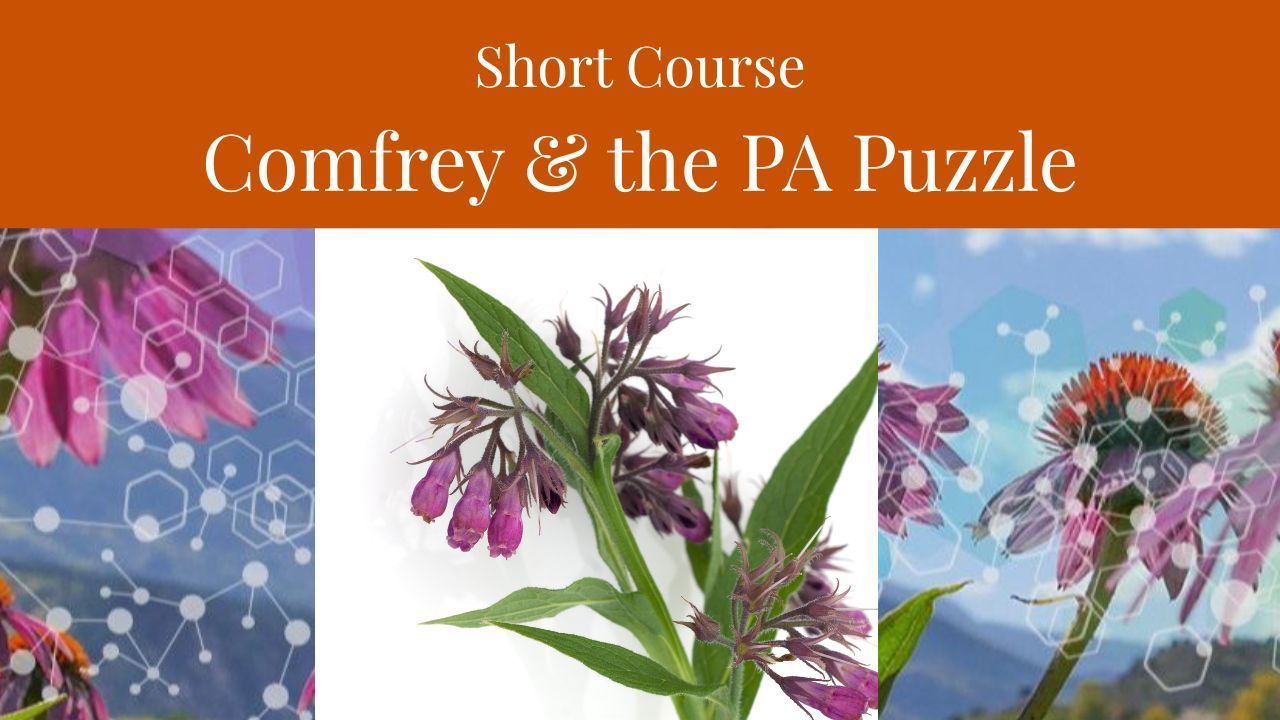
This short course on pyrrolizidine alkaloids (PA) and Comfrey (Symphytum spp.) is designed to provide healthcare providers, pharmacists, experienced herbalists, and herbal products formulators with a comprehensive understanding of PA: their structure, function, properties, energetics, metabolism, toxicology, and occurrence, especially in Comfrey.
ADD TO CARTClick here to learn more about Comfrey!
What You'll Discover...
This short course on pyrrolizidine alkaloids (PA) and Comfrey (Symphytum spp.) is designed to provide experienced herbalists, healthcare professionals, pharmacists, and the phytochemically curious with a comprehensive understanding of PA in Western herbs. We'll dive into their occurrence, structures, properties, metabolism, toxicology, and safety. We'll look at PA in general, and zoom in on those found in Comfrey. We'll also look at the role of Comfrey's polyphenols as possible attenuating synergists - constituents which can decrease the potential toxicity of the PA. Participants will gain an in-depth understanding of the many different kinds of PA, their range of potential toxicities, and the particular form of liver disease (HVOD / HSOS) that can result from excess exposure.
Additionally, we discuss the therapeutic benefits of Comfrey. We'll discuss traditional dosing, and strategies for minimizing the risk of its PA content by supporting the body's PA metabolism (via glutathione conjugation) and clearance. By the end of this course, participants will be equipped with the knowledge and skills necessary to make a rational risk-benefit analysis of using Comfrey, and to offer professional safety advice to patients, clients, and students.
What's Included:
Four Handouts Featuring in-depth information, illustrations, and links to resources that I have found helpful in understanding the topics. You can read them inside the course any time, or download them to keep forever.
Beautifully-Illustrated PowerPoint Deck Including photos and phytochemical structures. You are also welcome to download and use it in your classes and presentations!
Fun Self-Assessment Quiz To check your understanding of the concepts. This quiz is a great learning tool - take it as many times as you want until you know you've got it!
Two 2-Hour Recorded Webinars Featuring Lisa Ganora, Kat Martello & students where we answer questions, check in on updated research, and expand on the material in the course.
